
Bwindi Impenetrable Forest: A Timeless Natural Wonder of Uganda
Nestled in the rugged highlands of southwestern Uganda, Bwindi Impenetrable Forest stands as one of Africa’s most extraordinary natural landscapes. This ancient rainforest, covering approximately 321 square kilometers, represents one of the oldest and most biologically diverse ecosystems on the continent. Its steep ridges, mist-covered valleys, and dense vegetation create a dramatic setting that feels untouched by time. Bwindi is globally celebrated not only for its remarkable scenery but also for its critical role in protecting endangered species, most notably the mountain gorilla.
More than a national park, Bwindi Impenetrable Forest is a living archive of evolutionary history. The forest has survived dramatic climatic changes for over 25,000 years, allowing rare plant and animal species to flourish in isolation. Today, it offers visitors a rare opportunity to experience a pristine rainforest while supporting conservation efforts that safeguard one of the world’s most fragile ecosystems. Every journey into Bwindi reveals a deeper connection between nature, wildlife, and the communities that depend on this forest for their cultural and economic survival.
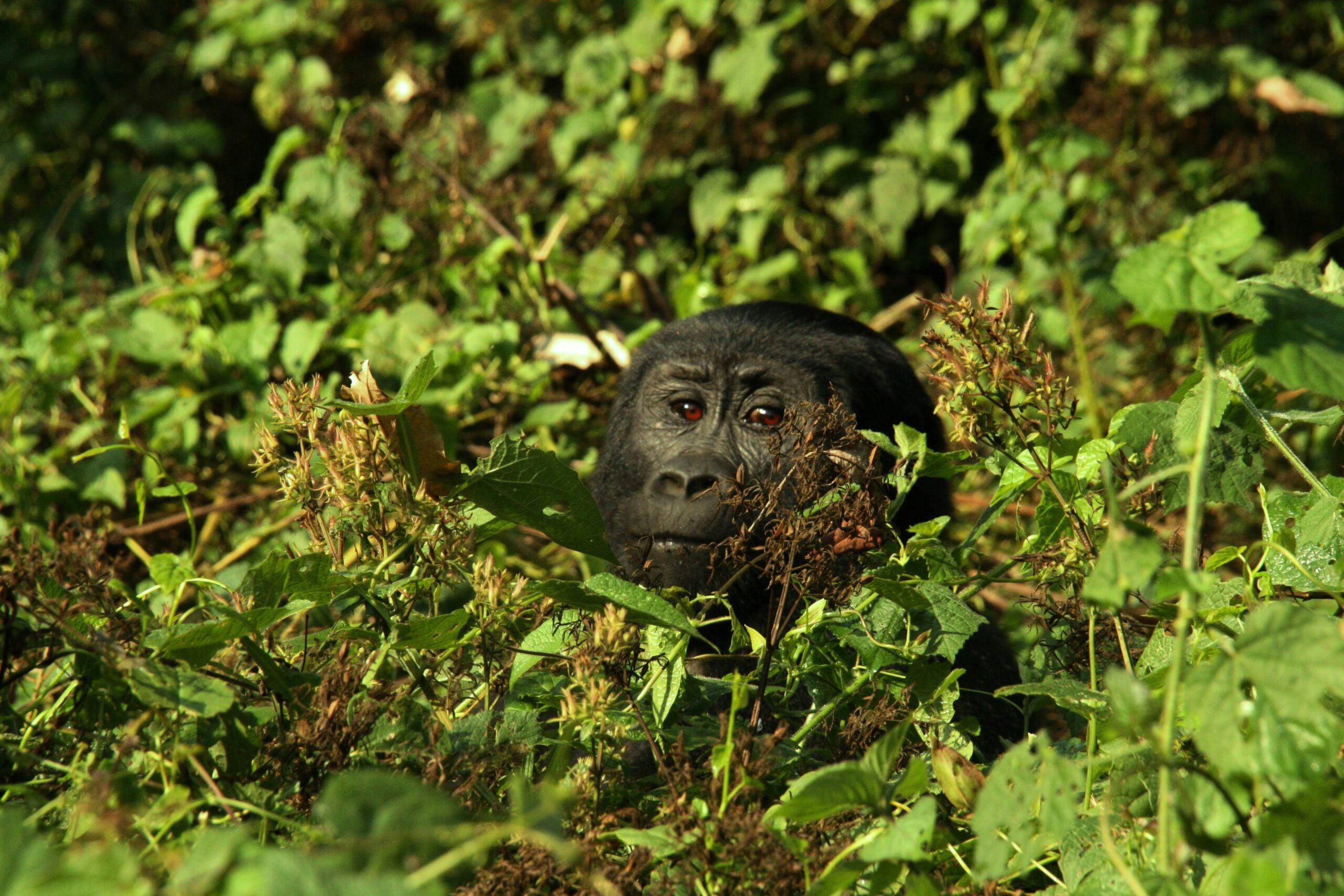
Bwindi Impenetrable National Park
Bwindi Impenetrable National Park and Its Global Significance
Bwindi Impenetrable Forest forms the core of Bwindi Impenetrable National Park, a UNESCO World Heritage Site recognized for its exceptional biodiversity and ecological importance. The name “Bwindi,” derived from local Runyakitara languages, means “impenetrable,” a fitting description of the forest’s thick undergrowth, tangled vines, and towering trees. This natural density has been instrumental in preserving the forest’s ecological integrity, shielding it from large-scale human interference for centuries.
The park lies along the Albertine Rift, one of Africa’s most important biodiversity hotspots. This geographical location contributes to Bwindi’s extraordinary species richness, as the region supports high levels of endemism. Scientists, conservationists, and wildlife enthusiasts regard Bwindi as one of the most valuable conservation landscapes in Africa. Its continued protection plays a vital role in maintaining ecological balance across the wider Great Lakes region.
Remarkable Plant Diversity and Ancient Forest Structure
Bwindi Impenetrable Forest supports more than 1,000 flowering plant species, making it one of the richest botanical areas in East Africa. The forest canopy rises in layers, with massive hardwood trees forming a dense roof above a thriving understory of shrubs, ferns, mosses, and vines. This layered structure creates a humid microclimate that sustains delicate plant species rarely found elsewhere.
Among Bwindi’s most striking plants is the giant lobelia, a prehistoric-looking species adapted to the forest’s high-altitude zones. Moss-draped tree trunks, colorful orchids, and medicinal plants flourish throughout the forest, reflecting centuries of ecological stability. Many of these plants hold cultural and medicinal value for local communities, further strengthening the link between conservation and traditional knowledge.
The forest’s botanical richness provides critical habitat and food sources for wildlife, reinforcing Bwindi’s role as a self-sustaining ecosystem. Each plant species contributes to soil stability, water regulation, and climate moderation, making the forest essential not only for biodiversity but also for regional environmental health.
Exceptional Wildlife and the Mountain Gorilla Sanctuary
Bwindi Impenetrable Forest is internationally renowned as one of the last remaining refuges of the endangered mountain gorilla. Nearly half of the world’s remaining mountain gorillas live within Bwindi’s boundaries, making the park a cornerstone of global gorilla conservation. These gentle primates thrive in the forest’s dense vegetation, where food is abundant and human disturbance is carefully controlled.
Gorilla trekking in Bwindi offers a deeply moving wildlife experience. Guided by trained rangers and trackers, visitors hike through challenging terrain, following subtle signs left by gorilla families. The encounter itself is intimate and humbling, allowing visitors to observe gorillas as they feed, rest, and interact within their natural environment. Strict regulations ensure minimal impact on the animals while maximizing conservation benefits.
Beyond gorillas, Bwindi supports more than 120 mammal species. Several primate species inhabit the forest, including chimpanzees, L’Hoest’s monkeys, red-tailed monkeys, and black-and-white colobus monkeys. Forest elephants, giant forest hogs, bushbucks, and various antelope species also roam the park, although many remain elusive due to the dense vegetation.
A World-Class Destination for Birdwatching
Bwindi Impenetrable Forest is widely regarded as one of Africa’s finest birdwatching destinations. Over 350 bird species have been recorded here, including more than 20 Albertine Rift endemics. The forest’s varied altitudes and habitats provide ideal conditions for a wide range of resident and migratory birds.
Notable species include the African green broadbill, Shelley’s crimsonwing, yellow-eyed black flycatcher, and the elegant regal sunbird. Birding trails and guided walks allow visitors to explore prime habitats while benefiting from the expertise of knowledgeable local guides. For serious birders, Bwindi offers rare sightings that are difficult to replicate anywhere else in East Africa.
Conservation Success and Sustainable Management
The protection of Bwindi Impenetrable Forest represents one of Uganda’s greatest conservation achievements. Collaborative efforts between the Uganda Wildlife Authority, conservation organizations, researchers, and local communities have helped stabilize and gradually increase mountain gorilla populations. Anti-poaching patrols, veterinary monitoring, and habitat protection programs remain central to these efforts.
Tourism plays a carefully managed role in conservation. Visitor numbers are strictly controlled, and trekking permits directly support wildlife protection and community development. Zoning systems within the park balance tourism, research, and conservation needs, ensuring that sensitive habitats remain undisturbed.
Bwindi’s conservation model demonstrates how responsible tourism can generate sustainable revenue while preserving ecological integrity. The park serves as a benchmark for conservation initiatives across Africa and beyond.
Indigenous Communities and Cultural Heritage
Bwindi Impenetrable Forest is closely intertwined with the lives of surrounding communities, including the Batwa and Bakiga peoples. The Batwa, traditionally forest dwellers, possess extensive knowledge of medicinal plants, wildlife behavior, and forest survival. While conservation policies altered their traditional way of life, community-based initiatives now aim to preserve Batwa culture while providing sustainable livelihoods.
Cultural visits offer meaningful opportunities for visitors to engage with local traditions through storytelling, music, dance, and craft demonstrations. These experiences deepen understanding of the human history connected to Bwindi and highlight the importance of inclusive conservation approaches that respect cultural heritage.
When to Visit Bwindi Impenetrable Forest
Bwindi Impenetrable Forest can be visited throughout the year, but certain seasons offer more favorable conditions depending on travel interests. Uganda experiences two main dry seasons, from June to August and from December to February. These periods are generally considered the best times for gorilla trekking, as trails are less slippery and forest access is easier.
The wet seasons, from March to May and September to November, bring heavier rainfall. While trekking becomes more physically demanding, these months offer advantages such as fewer visitors, lush scenery, and excellent birdwatching opportunities. Migratory bird species are especially active during the rainy seasons, making this period ideal for bird enthusiasts.
Regardless of the season, Bwindi’s weather remains unpredictable due to its altitude and rainforest environment. Visitors should prepare for sudden rain, cooler temperatures, and challenging terrain. Proper planning ensures a rewarding experience at any time of year.
Activities and Experiences in Bwindi Impenetrable Forest
Gorilla Trekking
Gorilla trekking remains the park’s signature experience. Permits must be secured well in advance due to limited availability. Treks vary in difficulty and duration, but each offers a profound connection with one of the world’s most remarkable species.
Nature Walks and Forest Hikes
Guided nature walks explore waterfalls, valleys, and forest trails while introducing visitors to Bwindi’s diverse flora and smaller wildlife. These walks provide a quieter, equally enriching way to experience the forest.
Birdwatching Tours
Specialized birding excursions cater to both amateur and experienced birders. Early morning walks often yield the best sightings.
Cultural Encounters
Community visits add depth to any Bwindi itinerary, combining cultural learning with conservation support.
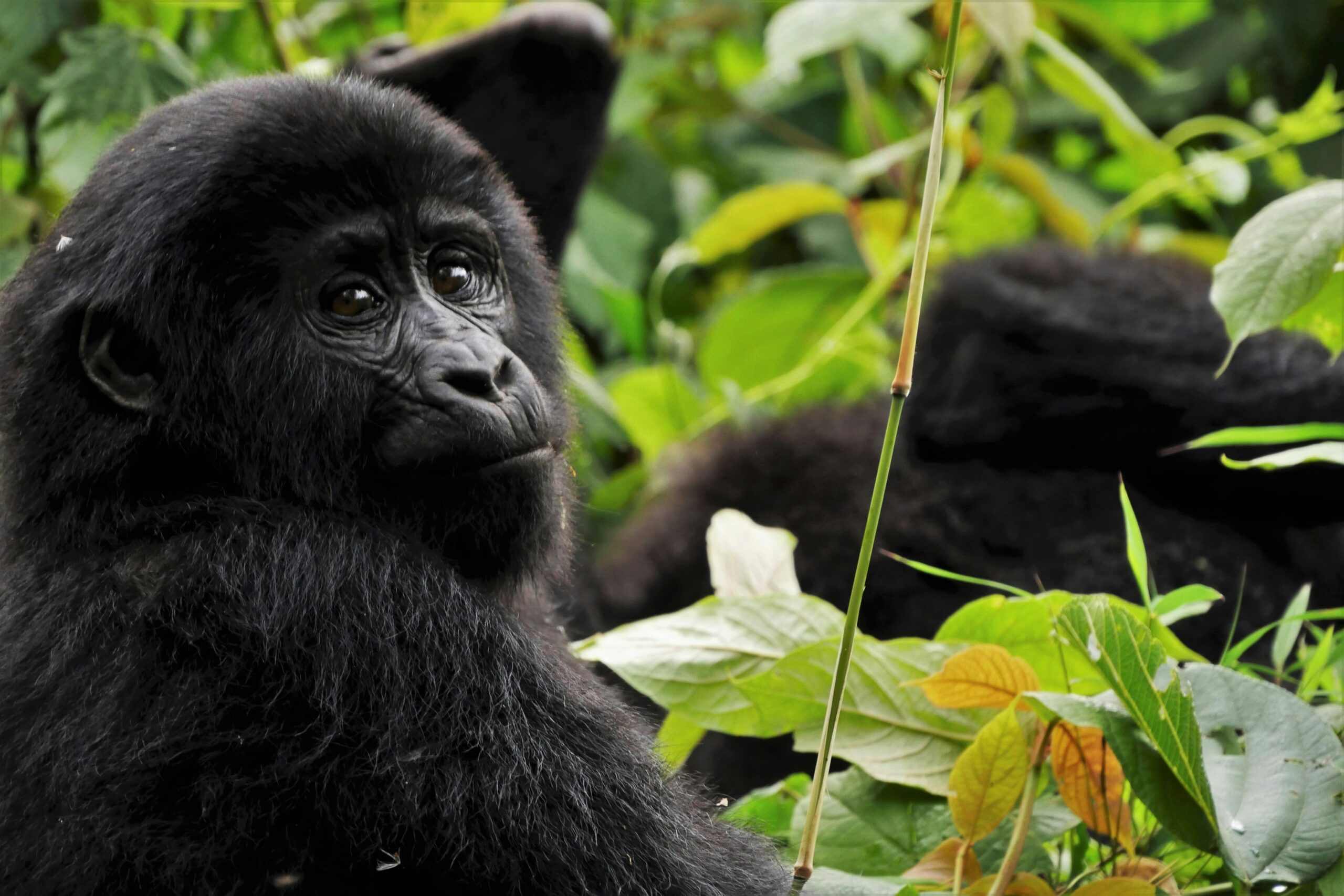
Bwindi Impenetrable National Park
Practical Travel Information
Visitors should book gorilla permits and accommodations well in advance. Lodging options range from luxury eco-lodges to comfortable mid-range and budget camps, many offering spectacular forest views. Adequate fitness, proper hiking gear, and adherence to park regulations enhance safety and enjoyment.
Responsible tourism remains essential. Visitors are encouraged to respect wildlife, minimize environmental impact, and support local conservation initiatives.
A Forest That Inspires and Endures
Bwindi Impenetrable Forest is more than a travel destination; it is a symbol of resilience, biodiversity, and hope. Its ancient trees, rare wildlife, and living cultures offer a powerful reminder of nature’s ability to endure when protected with care and commitment. A visit to Bwindi leaves a lasting impression, inspiring deeper respect for the natural world and a renewed sense of responsibility toward conservation.
Exploring Bwindi is a journey into one of Earth’s most precious ecosystems. It is an invitation to witness nature at its most raw and beautiful, to connect with communities shaped by the forest, and to play a role in safeguarding a global treasure for generations to come.