
Discover Semuliki National Park
Semuliki National Park is one of Uganda’s most distinctive and least explored protected areas, offering visitors a rare glimpse into a true Central African lowland rainforest ecosystem. Located in western Uganda within the Albertine Rift Valley, the park covers approximately 220 square kilometers and lies at the base of the Rwenzori Mountains, stretching toward the border with the Democratic Republic of Congo.
Unlike Uganda’s high-altitude forests, Semuliki sits at a much lower elevation, giving it a hot, humid climate and a lush, tropical character more closely associated with the Congo Basin. This unique setting makes Semuliki National Park biologically exceptional, hosting plant and animal species found nowhere else in the country. It is a destination for travelers seeking authenticity, biodiversity, and a sense of exploration beyond the well-trodden safari circuit.
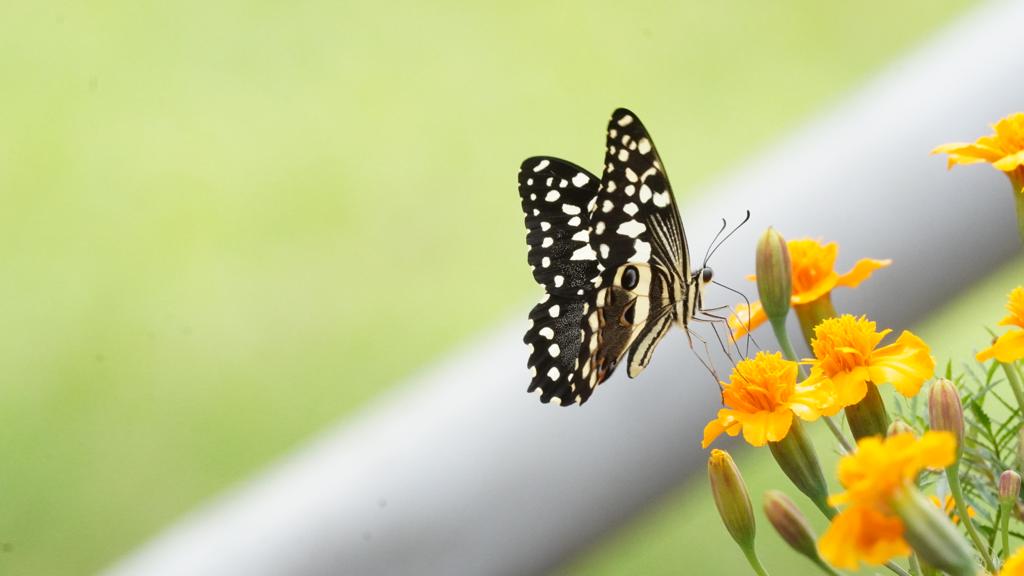
Semuliki National Park
A Landscape Rooted in the Congo Basin
Semuliki National Park protects the easternmost extension of the Ituri Forest, one of Africa’s great rainforests. The park’s flat terrain contrasts sharply with Uganda’s mountainous parks, creating an entirely different ecological experience. Towering hardwood trees, thick vines, swampy clearings, and palm-dominated forests define the landscape.
The Semuliki River flows gently through the park, forming a natural boundary between Uganda and the Congo. Seasonal flooding enriches the soil and supports a rich network of wetlands and riverine habitats. The forest canopy filters sunlight into soft green hues, creating an atmosphere that feels ancient, dense, and alive with sound.
This lowland rainforest environment supports a remarkable range of species and makes Semuliki one of Uganda’s most scientifically important conservation areas.
Exceptional Biodiversity and Unique Wildlife
Semuliki National Park is home to a fascinating mix of wildlife influenced by both East African and Central African ecosystems. While large mammals are more elusive due to dense forest cover, the park supports forest elephants, buffaloes, bushbabies, pygmy antelope, and several primate species.
Primate encounters include chimpanzees, red-tailed monkeys, black-and-white colobus monkeys, vervet monkeys, and olive baboons. Although chimpanzee trekking is less developed here than in Kibale, sightings still occur and contribute to the park’s wild and unpredictable nature.
The true richness of Semuliki lies in its smaller species. Butterflies, insects, amphibians, and reptiles thrive in abundance, making the park especially appealing to naturalists and researchers. The forest’s biodiversity reflects its connection to the Congo Basin, with several species reaching the eastern edge of their range within Semuliki.
A World-Class Birdwatching Destination
Semuliki National Park is widely regarded as one of Uganda’s most important birding destinations. Over 440 bird species have been recorded, including more than 40 species that are rare or entirely absent elsewhere in East Africa. Many of these birds are typical of Central African forests, making Semuliki a priority destination for serious birdwatchers.
Notable species include the shoebill stork, Nkulengu rail, yellow-throated cuckoo, Congo serpent eagle, white-crested hornbill, piping hornbill, and lyre-tailed honeyguide. Forest trails and riverine areas provide excellent birding opportunities throughout the park.
Birding in Semuliki is immersive and rewarding, with constant calls echoing through the forest and frequent sightings along established trails. The park’s relatively low visitor numbers enhance the sense of exclusivity and discovery.
The Sempaya Hot Springs: Nature’s Power Beneath the Forest
One of Semuliki National Park’s most remarkable attractions is the Sempaya Hot Springs, a dramatic reminder of the geothermal forces beneath the Albertine Rift Valley. Two main hot springs, known as the Male and Female springs, bubble up from the forest floor at temperatures hot enough to boil eggs.
A well-maintained boardwalk leads visitors through the forest to the springs, passing swampy clearings and towering trees along the way. Steam rises from the ground, and the smell of minerals fills the air, creating a surreal and memorable experience.
The hot springs are not only a natural curiosity but also hold cultural significance for local communities, who have long associated the area with spiritual and healing properties.
Nature Walks and Forest Exploration
Semuliki National Park is best explored on foot through guided nature walks that reveal the forest’s hidden details. Trails lead through different habitats, including riverbanks, swamp forests, and mature rainforest stands. Guided walks focus on identifying plants, birds, insects, and primates while explaining the ecological relationships that sustain the forest.
The Red Monkey Track and the Kirumia Trail are among the most popular routes, offering chances to observe monkeys, birds, and unique plant species. Walks along the Semuliki River provide scenic views and excellent birdwatching opportunities.
These low-impact activities allow visitors to experience the forest slowly and thoughtfully, deepening appreciation for its complexity and fragility.
Cultural Encounters and Indigenous Heritage
Semuliki National Park is surrounded by culturally diverse communities, including the Batwa and Bamba peoples, whose histories are closely tied to the forest. Cultural experiences introduce visitors to traditional knowledge, music, storytelling, and forest-based livelihoods.
Community-led initiatives offer guided cultural walks, traditional performances, and demonstrations of medicinal plant use. These experiences provide meaningful insight into the human dimension of conservation and emphasize the importance of balancing protected areas with community well-being.
Supporting community tourism helps strengthen conservation efforts while preserving cultural heritage.
When to Visit Semuliki National Park
Semuliki National Park can be visited throughout the year, but weather conditions play a significant role in planning activities. The best time to visit is during the drier months, from December to February and June to August. During these periods, forest trails are more accessible, and walking conditions are more comfortable.
The wetter seasons, from March to May and September to November, bring heavy rainfall and high humidity. While trails may become muddy, these months offer lush scenery and excellent birdwatching opportunities, as many species are more active and vocal.
Semuliki’s climate is generally hot and humid year-round due to its low elevation. Visitors should prepare for heat, rain, and insects regardless of the season, making proper clothing and gear essential.
Conservation Importance and Environmental Protection
Semuliki National Park plays a crucial role in conserving one of East Africa’s last lowland rainforest ecosystems. Its forests act as carbon sinks, protect water sources, and support species found nowhere else in Uganda.
The Uganda Wildlife Authority works with conservation partners and local communities to manage the park, monitor wildlife, and promote sustainable tourism. Research and biodiversity surveys continue to highlight Semuliki’s global conservation value.
Tourism revenue contributes to conservation initiatives and community development, reinforcing the importance of protecting this unique forest.
Accommodation and Access
Accommodation options around Semuliki National Park range from simple campsites to comfortable lodges near the park boundaries. Many visitors combine a visit to Semuliki with nearby attractions such as Kibale Forest National Park, the Rwenzori Mountains, or Queen Elizabeth National Park.
Semuliki is accessible by road from Fort Portal, which serves as the main gateway to the region. The journey offers scenic views of tea plantations, crater lakes, and mountain foothills.
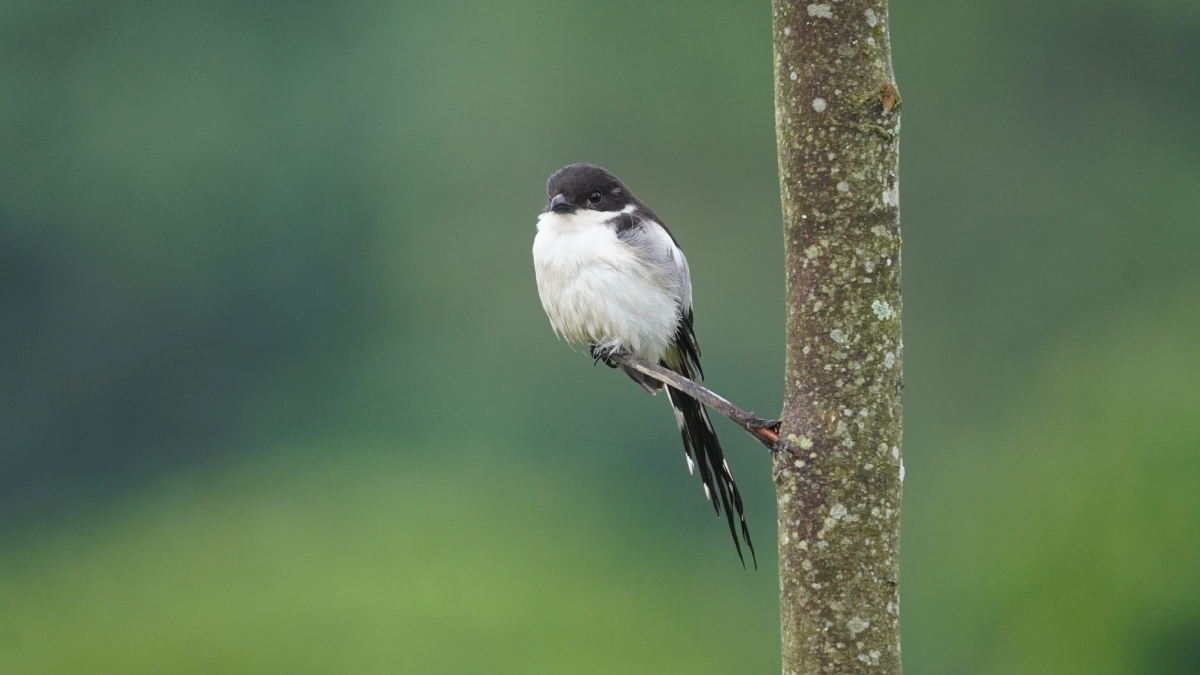
Semuliki National Park
A Journey into Uganda’s Hidden Rainforest
Semuliki National Park offers an experience unlike any other in Uganda. Its lowland rainforest, Congo Basin species, geothermal features, and rich birdlife create a destination defined by discovery and authenticity. It appeals to travelers who value biodiversity, quiet exploration, and a deeper connection to nature.
A visit to Semuliki is not about ticking off sightings; it is about immersion. The forest’s sounds, scents, and textures invite patience and curiosity, rewarding those who take the time to explore. Semuliki stands as one of Uganda’s most unique natural treasures, offering a rare opportunity to experience Africa’s rainforest heritage at its most untouched and profound.