
Introduction to Mabamba Wetland
Mabamba Wetland is one of Uganda’s most celebrated birding destinations and a globally recognized site for shoebill sightings. Located on the northern shores of Lake Victoria, west of Entebbe, this extensive papyrus swamp forms part of an Important Bird Area and a Ramsar-listed wetland of international importance. Despite its proximity to Uganda’s main international gateway, Mabamba retains a tranquil, natural atmosphere that feels far removed from urban life.
The wetland’s shallow waters, dense papyrus channels, and open lagoons create ideal conditions for rare waterbirds and migratory species. Mabamba is best known for reliable shoebill encounters, making it a must-visit location for birdwatchers, photographers, and nature enthusiasts seeking a short yet rewarding excursion.
Mabamba Wetland
A Unique Wetland Ecosystem
Mabamba Wetland covers a vast area of papyrus marshes, seasonal floodplains, and narrow water channels that open into Lake Victoria. This mosaic of habitats supports high biological productivity and provides breeding, feeding, and resting grounds for numerous bird species.
The wetland’s ecological importance lies in its role as a natural water filter and nursery for fish and aquatic life. Papyrus plants stabilize water levels and offer shelter for birds, amphibians, and reptiles. The calm, shallow waters make the wetland ideal for canoe-based exploration, allowing visitors to move quietly through bird-rich areas without disturbing wildlife.
This delicate ecosystem demonstrates the critical link between wetlands, biodiversity conservation, and local livelihoods.
Shoebill Encounters: The Main Highlight
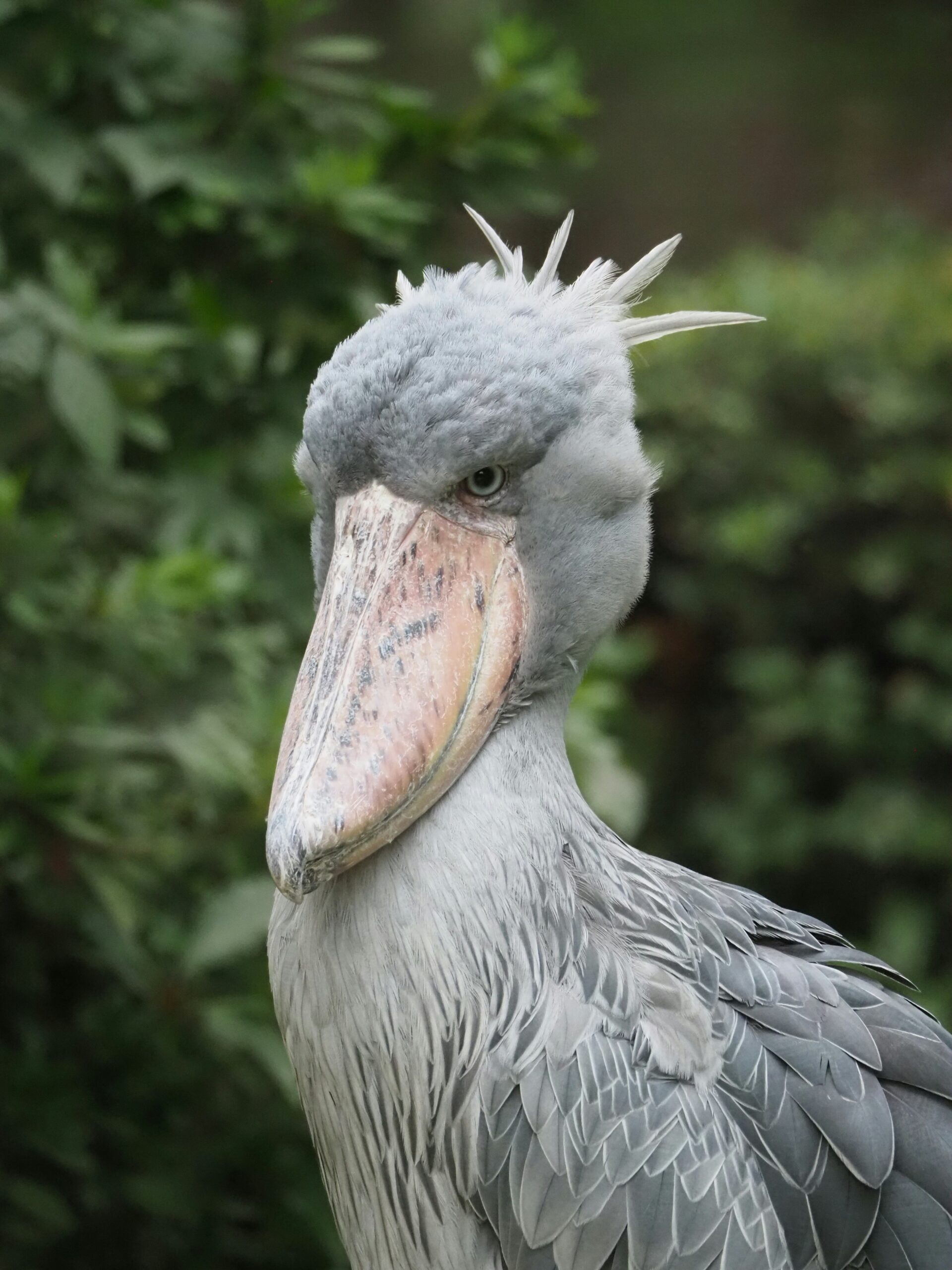
Mabamba Wetland is widely regarded as one of the best places in Africa to see the shoebill in its natural habitat. This prehistoric-looking bird, known for its massive shoe-shaped bill and statuesque presence, thrives in Mabamba’s papyrus swamps where lungfish are abundant.
Shoebill tracking takes place by canoe, guided by experienced local bird guides who understand the wetland’s channels and bird behavior. Sightings are frequent, often within a few hours, making Mabamba an excellent option even for travelers with limited time.
Observing a shoebill at close range is a powerful experience. The bird’s slow movements, intense stare, and sudden hunting strikes leave a lasting impression and make Mabamba a highlight of any Uganda safari itinerary.
Outstanding Bird Diversity
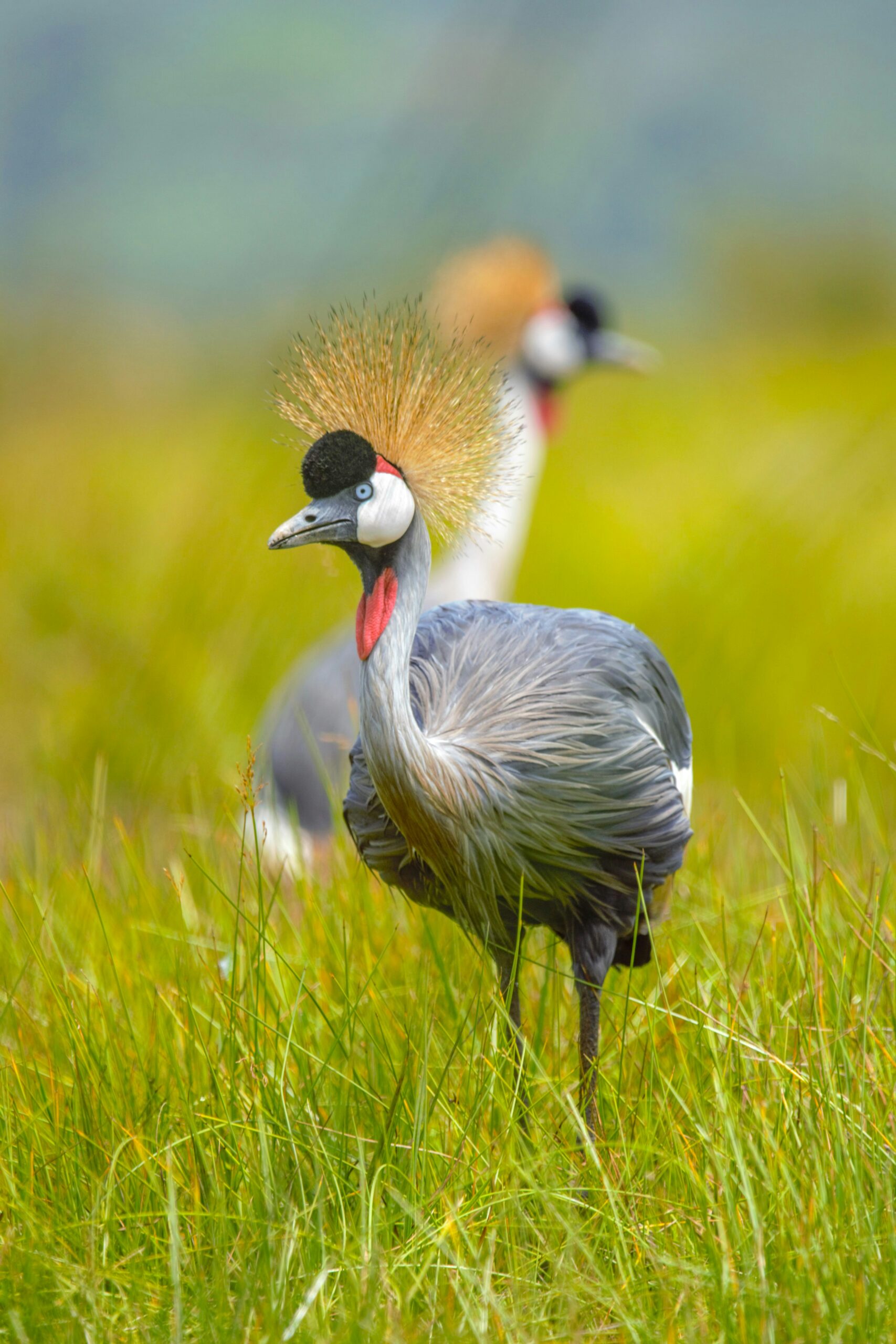
Beyond the shoebill, Mabamba Wetland supports over 300 recorded bird species, making it a rich and rewarding birding destination. The wetland hosts both resident and migratory birds, with species diversity changing throughout the year.
Notable species include the African jacana, malachite kingfisher, blue-breasted bee-eater, African pygmy goose, swamp flycatcher, papyrus gonolek, long-toed lapwing, and saddle-billed stork. The wetland is particularly important for papyrus endemics, which are difficult to see elsewhere.
Birding excursions cater to both serious birdwatchers and casual nature lovers, with opportunities for photography, sound recording, and species listing in a relaxed environment.
Canoe Birding and Guided Nature Experiences
The primary way to explore Mabamba Wetland is by traditional wooden canoe, paddled slowly through narrow papyrus channels. These guided canoe trips allow for close observation of birds while maintaining a low ecological footprint.
Local guides provide expert interpretation, pointing out species, explaining bird behavior, and sharing knowledge about the wetland’s ecology. The quiet movement of canoes enhances the experience, allowing visitors to hear bird calls and observe natural interactions.
Short walking experiences at the wetland edges may also be included, offering additional perspectives of the surrounding landscape and Lake Victoria shoreline.
Community Involvement and Conservation
Mabamba Wetland is a strong example of community-based conservation in Uganda. Local communities play a central role in protecting the wetland while benefiting from sustainable tourism activities. Many guides, canoe operators, and conservation stewards come directly from nearby villages.
Tourism revenue supports wetland monitoring, education programs, and alternative livelihoods that reduce pressure on natural resources. Conservation organizations work alongside communities to promote responsible tourism and protect critical bird habitats.
Visiting Mabamba directly contributes to wetland conservation and helps safeguard one of Africa’s most important shoebill habitats.
When to Visit Mabamba Wetland
Mabamba Wetland can be visited year-round, with shoebill sightings possible in all seasons. The best birding conditions generally occur during the drier months, from June to August and December to February, when canoe access is easier and visibility improves.
The wetter seasons, from March to May and September to November, bring lush vegetation and increased bird activity, especially among migratory species. While rain may affect comfort, bird diversity remains high.
Early morning visits offer the best chances for shoebill sightings and optimal light for photography. Weather on Lake Victoria can change quickly, so flexible planning is recommended.
Access and Travel Convenience
Mabamba Wetland is easily accessible from Entebbe and Kampala, making it one of Uganda’s most convenient high-quality birding destinations. Road transfers take approximately one hour from Entebbe, followed by a short canoe journey into the wetland.
Its location makes Mabamba ideal as a half-day or full-day excursion, or as an add-on to longer Uganda safaris that include national parks and forest reserves. Many travelers visit Mabamba on arrival or departure days to maximize wildlife experiences near the international airport.
Mabamba Wetland
A Must-Visit Wetland Experience in Uganda
Mabamba Wetland offers an intimate, rewarding, and conservation-focused nature experience that stands out even among Uganda’s rich wildlife destinations. Its reliable shoebill sightings, exceptional bird diversity, and peaceful canoe excursions create unforgettable moments for visitors of all interests.
Whether included as a short excursion or a dedicated birding stop, Mabamba Wetland showcases the importance of wetlands in biodiversity protection and sustainable tourism. It remains one of Uganda’s finest examples of how community engagement and conservation can work hand in hand to protect nature while offering world-class wildlife experiences.