
Discover Kibale Forest National Park
Kibale Forest National Park is one of Uganda’s most biologically rich and rewarding protected areas, celebrated worldwide as the finest destination for primate encounters in East Africa. Located in western Uganda, near the foothills of the Rwenzori Mountains, the park covers approximately 795 square kilometers of tropical rainforest, woodland, and wetland ecosystems. Its remarkable biodiversity, scenic beauty, and accessible terrain make Kibale a cornerstone of Uganda’s wildlife tourism.
Often referred to as the “Primate Capital of Africa,” Kibale Forest National Park is home to the highest concentration and diversity of primates in the region. The park offers visitors an exceptional opportunity to observe chimpanzees and numerous other primate species in their natural forest environment, alongside rich birdlife, unique flora, and vibrant community experiences.
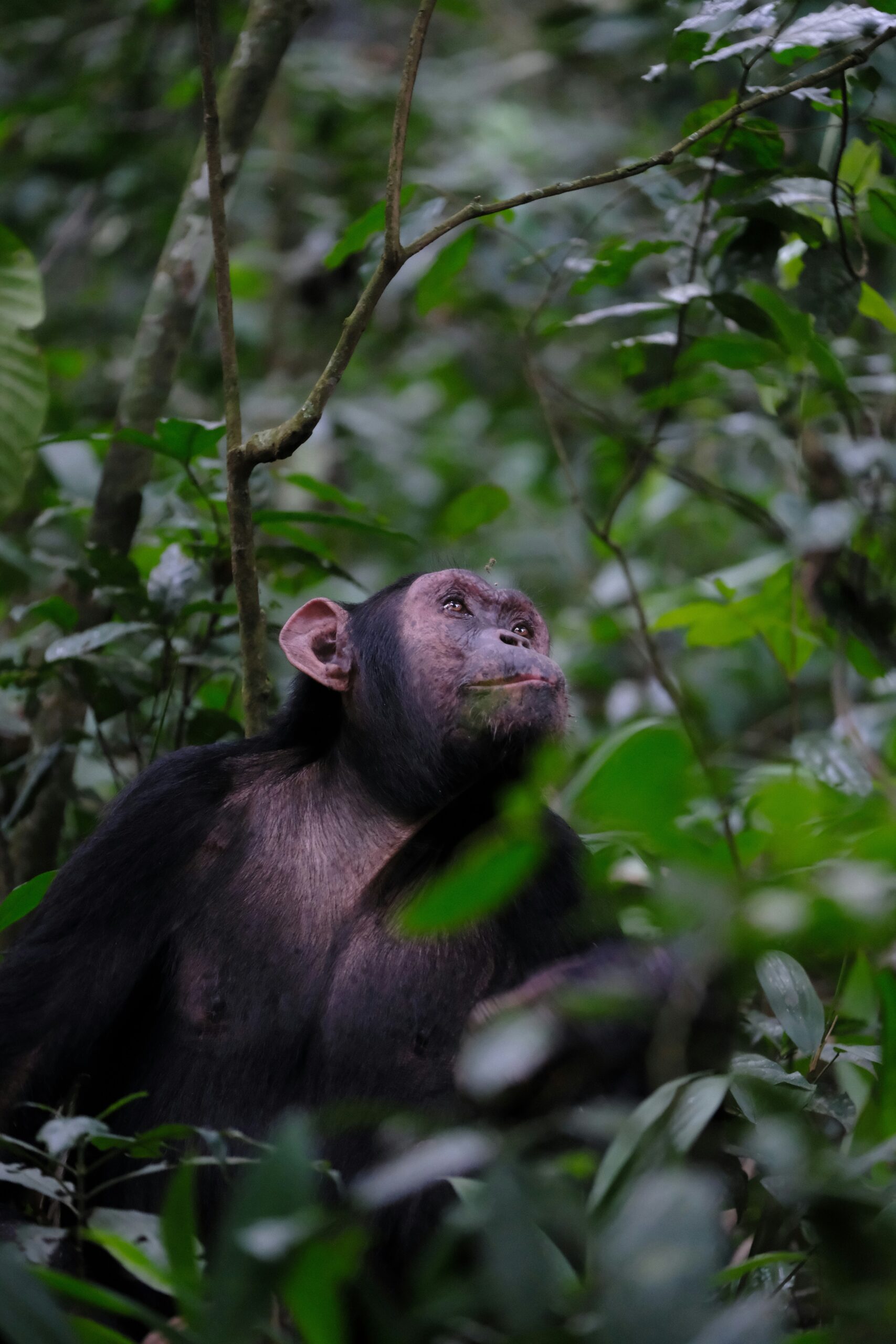
Kibale Forest National Park
A Forest of Exceptional Ecological Diversity
Kibale’s landscape is a complex mosaic of evergreen rainforest, deciduous woodland, swamp systems, and grassland pockets. This variety of habitats supports an extraordinary range of plant and animal species. Towering fig trees, mahogany, and ironwood dominate the forest canopy, while lianas, ferns, and wildflowers flourish in the shaded understory.
The park forms an important ecological corridor between Queen Elizabeth National Park and the forests of the Rwenzori Mountains. This connectivity allows wildlife movement and enhances biodiversity conservation across western Uganda. Kibale’s well-maintained trail network and relatively gentle terrain make forest exploration both accessible and immersive for visitors.
Chimpanzee Tracking: A Signature Experience
Chimpanzee tracking is the highlight of any visit to Kibale Forest National Park. The park is home to one of the largest and most stable populations of habituated chimpanzees in Uganda, offering some of the best chances in Africa to observe these intelligent primates up close.
Guided by experienced rangers and trackers, visitors enter the forest in search of chimpanzee families. Tracking involves following vocalizations, broken branches, and feeding signs until the chimpanzees are located. Once found, visitors spend time observing their social interactions, grooming behavior, feeding habits, and playful movements through the canopy.
In addition to standard tracking, Kibale offers a chimpanzee habituation experience, which allows visitors to spend extended time with chimpanzees as they gradually become accustomed to human presence. This experience provides deeper insight into chimpanzee behavior and daily life.
Unmatched Primate Diversity
Beyond chimpanzees, Kibale Forest National Park supports an impressive total of 13 primate species, making it the most primate-diverse park in East Africa. Visitors may encounter red colobus monkeys, black-and-white colobus monkeys, L’Hoest’s monkeys, grey-cheeked mangabeys, red-tailed monkeys, vervet monkeys, and olive baboons.
Nocturnal primates such as bushbabies and pottos also inhabit the forest, though they are more rarely seen. The abundance of primates ensures that forest walks are constantly animated by movement and sound, creating an engaging and dynamic wildlife experience.
Birdlife and Wetland Exploration
Kibale Forest National Park is a highly regarded birding destination, with over 375 recorded bird species. The park’s forest interior, forest edges, and wetland areas support a diverse range of resident and migratory birds.
Notable species include the green-breasted pitta, African pitta, great blue turaco, black bee-eater, yellow-spotted nicator, and various hornbills. Birding trails and guided walks allow visitors to explore different habitats and increase the chances of spotting rare and endemic species.
Adjacent to the park lies the Bigodi Wetland Sanctuary, a community-managed conservation area that offers excellent birdwatching and cultural encounters. Guided walks through the wetland provide opportunities to see monkeys, birds, and wetland plants while supporting local conservation initiatives.
When to Visit Kibale Forest National Park
Kibale Forest National Park can be visited throughout the year, but certain seasons offer more favorable conditions depending on travel goals. The dry seasons, from December to February and June to September, are generally considered the best times for chimpanzee tracking. During these months, forest trails are less muddy, and tracking conditions are more comfortable.
The wet seasons, from March to May and October to November, bring heavier rainfall and lush vegetation. While tracking remains possible, trails can become slippery, and hikes may require more effort. However, these months offer excellent birdwatching opportunities, fewer visitors, and vibrant forest scenery.
Temperatures in Kibale remain moderate year-round due to its altitude, with warm daytime conditions and cooler evenings. Visitors should always prepare for rain, as showers can occur even during drier months.
Conservation and Research Excellence
Kibale Forest National Park plays a central role in primate research and conservation in Africa. Long-term research projects focus on chimpanzee behavior, forest ecology, and biodiversity monitoring. These studies have contributed significantly to global understanding of primate social systems and conservation strategies.
The Uganda Wildlife Authority works closely with research institutions, conservation organizations, and local communities to protect the park. Efforts include anti-poaching patrols, habitat restoration, and environmental education programs that promote sustainable coexistence between people and wildlife.
Tourism revenue supports conservation initiatives and provides economic benefits to surrounding communities, reinforcing the value of protecting Kibale’s forests.
Cultural Encounters and Community Tourism
Kibale Forest National Park is surrounded by vibrant rural communities whose livelihoods are closely linked to the forest. Community-based tourism initiatives offer visitors opportunities to engage with local culture through village walks, traditional performances, craft demonstrations, and farm visits.
The Bigodi community initiatives stand out as successful examples of conservation-linked tourism. By participating in these experiences, visitors directly support education, healthcare, and sustainable development projects in the region.
Accommodation and Accessibility
A wide range of accommodation options are available around Kibale Forest National Park, catering to luxury, mid-range, and budget travelers. Forest lodges and eco-camps offer tranquil settings, comfortable amenities, and easy access to chimpanzee tracking starting points.
Kibale Forest National Park is easily accessible by road from Kampala, with a driving time of approximately five to six hours. The park is also conveniently located near other major attractions such as Queen Elizabeth National Park, making it ideal for combined safari itineraries.
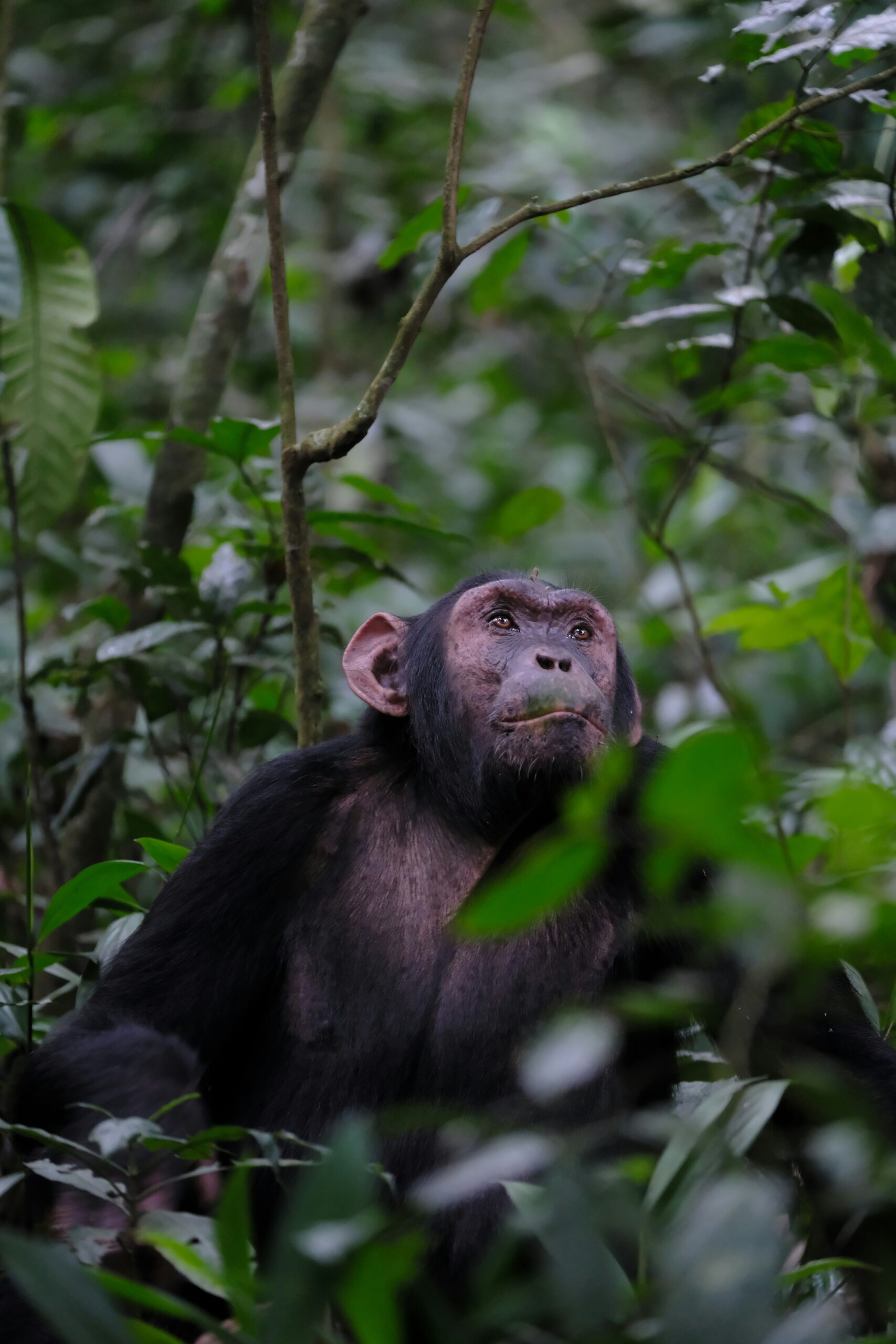
Kibale Forest National Park
A Premier Primate Safari Destination
Kibale Forest National Park offers an immersive journey into one of Africa’s most vibrant rainforest ecosystems. Its exceptional primate diversity, world-class chimpanzee tracking, rich birdlife, and strong conservation focus set it apart as a premier destination for nature lovers.
A visit to Kibale is more than a wildlife encounter; it is an opportunity to connect with a living forest, support conservation efforts, and gain insight into the complex relationships between humans and nature. Whether experienced as a standalone adventure or as part of a broader Ugandan safari, Kibale Forest National Park delivers an unforgettable and enriching experience in the heart of Africa.